 Log In





Key changes:
- More small retail, hospitality and leisure firms in England will pay no business rates from April 2027
- The National Living Wage rises 3.9% to £13.21 an hour from April 2027
- The expanded Growth Guarantee Scheme will support an extra £6.5 billion of SME lending
- Tax relief on equipment gets bigger upfront, with a 50% first-year allowance from January 2027
- The BADR lifetime limit halves to £500,000, and a new Founders' Relief starts in April 2027
- Making Tax Digital extends to sole traders and landlords earning over £30,000 from April 2027
The Autumn Budget 2026 gives more small retail, hospitality and leisure firms full relief from business rates. It also raises the minimum wage by 3.9% from April 2027. Business owners planning to sell face a lower limit on Business Asset Disposal Relief, but there's a new Founders' Relief and bigger upfront capital allowances.
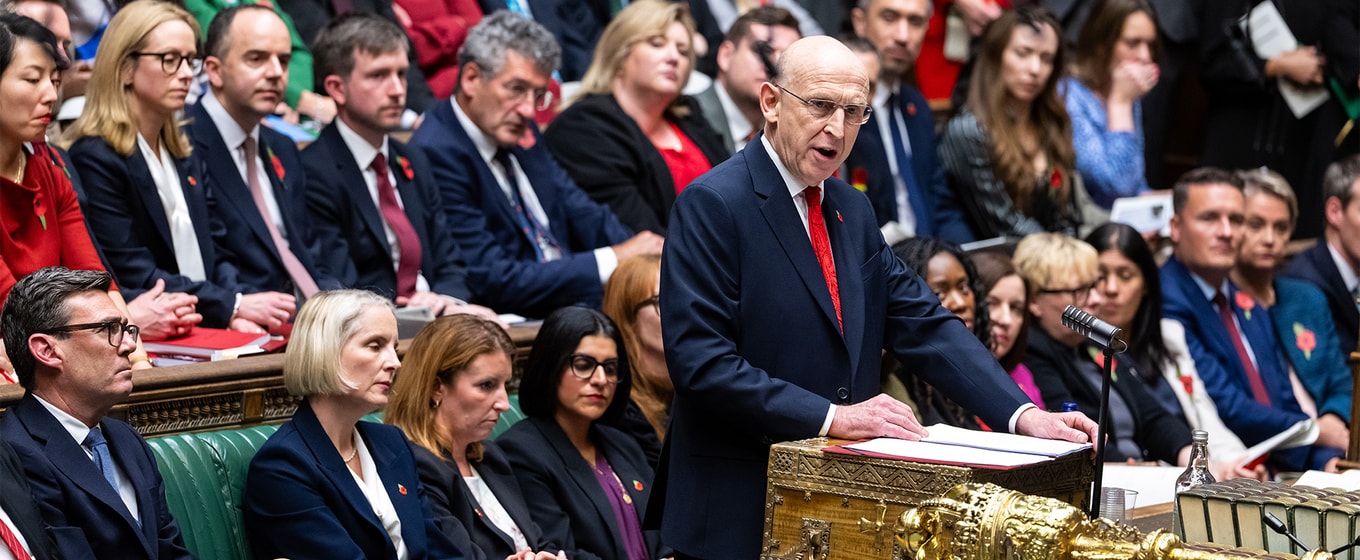
Chancellor John Healey delivered his first Budget on Wednesday 28th October 2026. Most of the changes for small businesses start in April 2027.
A few measures, including the expanded Growth Guarantee Scheme, were announced earlier in the year, and the Budget confirmed them. Below, we've picked out the changes most likely to affect your day-to-day costs and your tax bill.
More business rates relief for small firms
From 1st April 2027, more small retail, hospitality and leisure properties in England will pay no business rates at all. The threshold for full Small Business Rate Relief rises from £12,000 to £18,000 rateable value. Partial (tapered) relief will now cover properties valued up to £21,000, up from £15,000.
Rateable value is the figure the Valuation Office Agency gives your property, based roughly on its yearly rent. The government says the change will take around 70,000 businesses out of business rates altogether.
Other changes for the sector include:
- Bill increases for retail, hospitality and leisure properties capped at inflation (CPI) in 2027–28 and 2028–29
- A one-year extension to Supporting Small Business relief, which limits bill increases for businesses losing some or all of their relief
- Total relief of 35% for pubs, social clubs and live music venues from April 2027, confirming the extra 20% announced in July. Venues with a rateable value of £1 million or more are excluded
- An end to relief for vape shops and adult gaming centres from April 2027
Business rates are also moving into local hands. Mayors will keep 20% of business rates revenue from 2027, with full local control planned by the end of the decade.
More government-backed lending
The Budget confirmed a bigger role for the British Business Bank, the government-owned bank that supports SME finance by working through other lenders.
The biggest measure for SMEs is the expanded Growth Guarantee Scheme, first announced at Mansion House in July. The government guarantees 70% of loans of up to £2 million made under the scheme, which lowers the risk for the lenders taking part. The expansion should support an extra £6.5 billion of SME lending over this Parliament.
The Chancellor confirmed a further £20.4 billion for the British Business Bank and the National Wealth Fund over the coming years. The British Business Bank says its total lending and investment capacity will rise by £5 billion to £30.6 billion.
This includes £1.4 billion for funds that invest in high-growth businesses. There's also £450 million for a new venture debt product – loans designed for fast-growing companies that are often backed by investors.
Funding for women-led businesses doubles to £200 million, and a new scale-up programme for female founders is on the way.
Banks will pay more tax too. The bank corporation tax surcharge rises from 3% to 6% for 15 months from 1st January 2027. It's too early to say whether this will change what businesses pay to borrow.
Higher wage bills from April 2027
The National Living Wage for workers aged 21 and over rises from £12.71 to £13.21 an hour from 1st April 2027. The rate for 18 to 20-year-olds goes up from £10.85 to £11.27. Both are rises of 3.9%.
If you employ a large team, especially in hospitality or retail, higher wages may eat into what you save on business rates.
Other employment changes include:
- The approved mileage rate stays at 55p for the first 10,000 business miles. Above that, it rises from 25p to 35p from 6th April 2027
- The Company Share Option Plan (CSOP), which lets employees buy shares at a fixed price, becomes 'EMI2' from April 2027. Each employee can hold options worth up to £120,000, double the current limit
- As announced previously, employers must report most benefits in kind through payroll from April 2027 – company cars, for example
Capital allowances and tax admin
If you're buying equipment, you'll get more tax relief upfront and slower relief on whatever's left. Capital allowances let you deduct the cost of business assets, such as machinery or vans, from your taxable profits.
The first-year allowance for most plant and machinery rises from 40% to 50% from 1st January 2027, so you can deduct half the cost in the year you buy. The main writing-down allowance, which spreads the rest of the cost over later years, falls from 14% to 12%. That applies from 1st April 2027 for corporation tax and 6th April 2027 for income tax.
Corporation tax stays capped at 25% for this Parliament, as the government had already promised.
The Budget also confirmed several admin changes:
- R&D tax relief claims get simpler, with the claim notification form scrapped from 1st April 2027
- Sole traders and landlords with qualifying income over £30,000 join Making Tax Digital for Income Tax from April 2027, as announced previously. That means keeping digital records and sending HMRC quarterly updates, though late updates won't be penalised in the first year
- From April 2029, VAT-registered businesses must send electronic invoices for sales to other businesses and pay VAT and PAYE by direct debit
- From 2029–30, Self Assessment taxpayers with larger bills will make smaller, more regular payments during the tax year
The VAT registration threshold stays at £90,000.
Changes for founders and business owners
The tax-free trading allowance triples from £1,000 to £3,000 from 6th April 2027. It lets you earn a small income from a side business or casual work without paying tax on it.
If you're planning to sell your business, Business Asset Disposal Relief (BADR) will be less generous. BADR lowers the capital gains tax you pay when you sell a qualifying business. Its lifetime limit halves from £1 million to £500,000 from 6th April 2027. The government says three in four claimants won't be affected.
A new Founders' Relief also starts on 6th April 2027. It offers a 10% capital gains tax rate on up to £10 million of lifetime gains for founders of high-growth, innovative companies. The government is still consulting on the detail.
Younger founders could benefit from a new young entrepreneurs' allowance, designed to cover a year's living costs. The government hasn't yet said how much it'll be worth.
Energy and fuel
The 0% VAT rate on domestic electricity, in place since 1st October 2026, will now last until 1st July 2027. Small businesses already paying the reduced 5% rate on their electricity also pay 0%. Businesses on standard business tariffs don't benefit.
The 5p fuel duty cut also runs to 1st July 2027. Red diesel duty stays 3.7p a litre lower until the same date.
Autumn Budget 2026: key dates
| Date | What changes | Who it affects |
|---|---|---|
| 1st January 2027 | First-year allowance rises from 40% to 50% | Businesses buying equipment |
| 1st April 2027 | Full business rates relief extends to properties with a rateable value up to £18,000 | Small retail, hospitality and leisure firms in England |
| 1st April 2027 | National Living Wage rises to £13.21 an hour | Employers |
| 6th April 2027 | Business Asset Disposal Relief limit halves to £500,000 | Business owners planning to sell |
| 6th April 2027 | Founders' Relief starts | Founders of high-growth companies |
| 6th April 2027 | Trading allowance rises to £3,000 | People with side businesses or casual income |
| 6th April 2027 | Making Tax Digital extends to income over £30,000 | Sole traders and landlords |
| 1st July 2027 | 0% VAT on domestic electricity, the 5p fuel duty cut and the red diesel discount end | Businesses paying for electricity or fuel |
| April 2029 | E-invoicing and paying VAT and PAYE by direct debit become mandatory | VAT-registered businesses and employers |
What should small businesses do next?
Most of these changes start in April 2027, which gives you a few months to prepare:
- Check your property's rateable value on GOV.UK to see whether you'll qualify for full relief
- Build the April 2027 wage rise into next year's budget and cash flow forecast
- If you're planning a big equipment purchase, ask your accountant how the capital allowance changes affect the timing
- If you're planning to sell your business, get advice on BADR before 6th April 2027
For many small firms, especially in retail and hospitality, April 2027 brings lower rates bills and higher wage bills at the same time. How that balances out depends on your business, so it's worth running the numbers well before the new tax year.


These cookies are set by a range of social media services that we have added to the site to enable you to share our content with your friends and networks. They are capable of tracking your browser across other sites and building up a profile of your interests. This may impact the content and messages you see on other websites you visit.
If you do not allow these cookies you may not be able to use or see these sharing tools.